Your Cart
100% Secure Checkout!



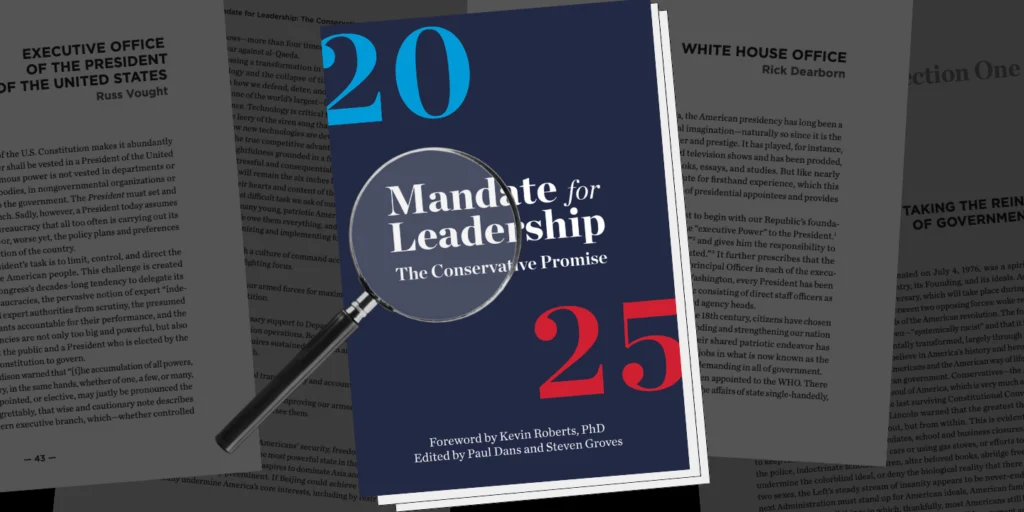
We find ourselves in political climate fraught with chaos with a real threat to democracy. Project 2025, the blueprint for erasing the democratic government as we know it and replacing it with an authoritarian government where the executive branch has full control, contains information that we feel all Americans should know. Even now, many aspects of this plan are being pushed through on state/local levels.
A plan to overhaul the federal government and targets progressive policies, including the Civil Rights Act, the Voting Rights Act and policies that protect the LGBTQIA community. The ACLU recognizes that “…Project 2025 would erode our freedoms and democracy.”
It targets all of the departments of the federal government, including:
(https://kettering.org/project-2025-the-blueprint-for-christian-nationalist-regime-change/)
Complete loss of privacy for women as the government assumes the right to gather health care data on women, specifically those of child-bearing age.
This toolkit contains information that we believe will assist religious leaders – particularly in the Black church – wrestling with the implications of Project 2025 for Americans who are not white, wealthy, male, and Christian. The policies proposed for a Conservative administration might be said to be in alignment with what the Founding Fathers intended when they wrote the United States Constitution, but that vision clashes with the fact that this country is “home” to the marginalized as well as to the privileged. It is our hope that the information contained in this toolkit will make it easier for clergy and community leaders to address and answer the questions that his plan evokes.